
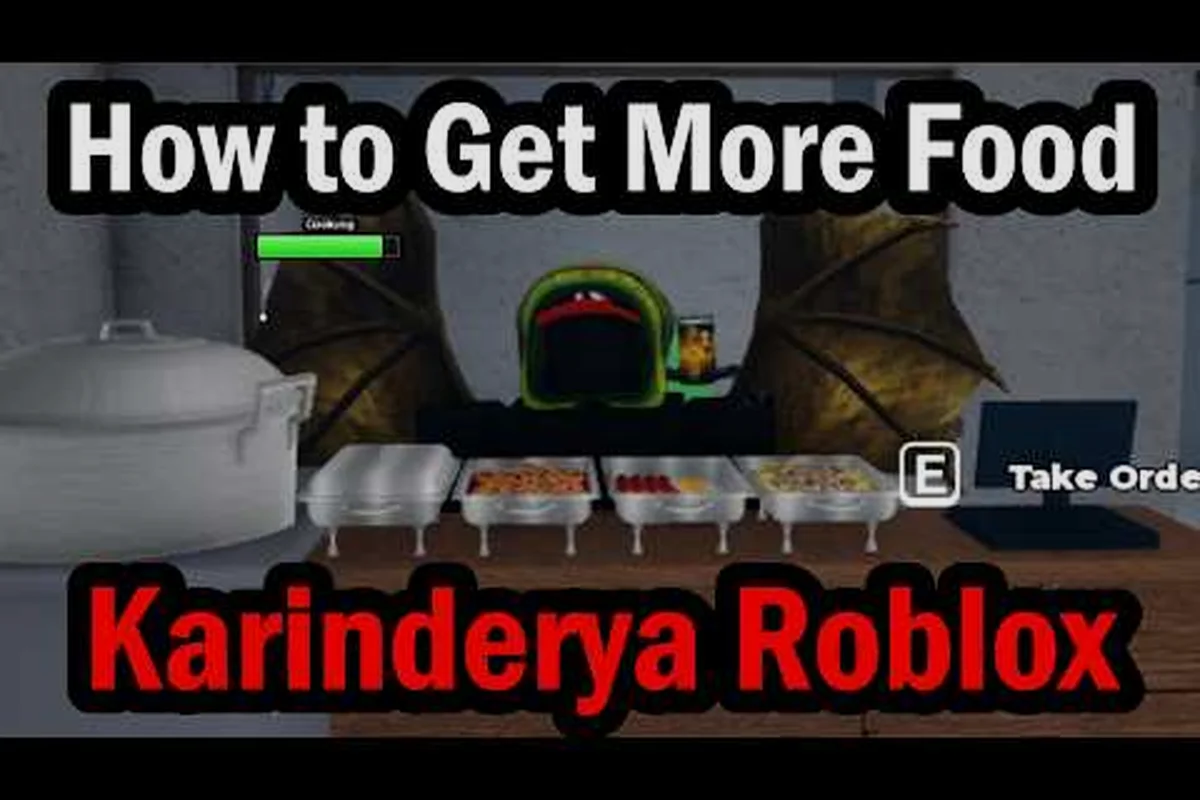
Der Aufbau eines erfolgreichen philippinischen Streetfood-Stands in Roblox erfordert mehr als nur das Kochen köstlicher Gerichte – er verlangt strategische Ressourcenverteilung. Die Kenntnis der korrekten Karinderya-Upgrade-Priorität kann den Unterschied zwischen einem kämpfenden Straßenkarren und einer florierenden Karinderya ausmachen, die Kunden immer wieder nach Nachschlag verlangen lässt. Jedes Upgrade, das du kaufst, beeinflusst deine Servicegeschwindigkeit, Kundenzufriedenheit und letztendlich deine Münzeinnahmen, wodurch die Kaufreihenfolge absolut entscheidend für den langfristigen Erfolg wird.
Das Spiel präsentiert den Spielern zahlreiche Upgrade-Pfade, von Küchengeräten wie Grills und Fritteusen bis hin zu kundenorientierten Verbesserungen wie Sitzgelegenheiten und Dekoration. Ohne klare Strategie verschwenden Neulinge oft ihre begrenzten Mittel für auffällige, aber wirkungsarme Käufe, wodurch ihre Kernabläufe unterversorgt bleiben. Dieser Leitfaden schlüsselt die optimale Upgrade-Sequenz basierend auf Investitionsrendite, Gameplay-Auswirkungen und der Art und Weise auf, wie jeder Kauf weiteres Verdienstpotenzial in deinem wachsenden Restaurantimperium freischaltet.
Warum die Upgrade-Reihenfolge in Karinderya wichtig ist
Die Reihenfolge, in der du deine Münzen in Karinderya ausgibst, erzeugt einen Zinseszinseffekt, der deinen Umsatz pro Minute direkt beeinflusst. Küchenbezogene Upgrades bieten typischerweise die höchste Rendite, da sie die Kochzeit verkürzen und dir ermöglichen, während der Stoßzeiten mehr Kunden zu bedienen. Jede gesparte Sekunde multipliziert sich über jede Bestellung, die du während deiner Spielsitzung erfüllst, und schafft exponentielle Vorteile, die rein kosmetische Verbesserungen bei Weitem überwiegen.
Die Geduld der Kunden begrenzt, wie lange Spieler mit der Zubereitung einzelner Gerichte verbringen können, was Geschwindigkeits-Upgrades für ernsthafte Fortschritte unverzichtbar macht. Wenn du früh in dein Karinderya-Herd-Upgrade investierst, schaltest du die Möglichkeit frei, mehrere Gerichte gleichzeitig zu kochen, ohne zuerst alles andere aufrüsten zu müssen. Dieser eine Kauf führt zu schnellerem Service, höheren Trinkgeldern und mehr bedienten Kunden pro Sitzung – Vorteile, die lange nach der Anfangsinvestition weiter Dividenden abwerfen.
Die Wirtschaft des Spiels belohnt Effizienz über Ästhetik, was bedeutet, dass deine ersten Käufe sich ausschließlich auf operative Verbesserungen konzentrieren sollten. Dekorationsgegenstände und Ambiente-Verstärker, obwohl wertvoll für die langfristige Spielerbindung, sollten warten, bis deine Küche mit voller Kapazität arbeitet. Spieler, die schöne Möbel über funktionale Geräte priorisieren, stehen oft mit wunderschönen, aber leeren Ständen da und können die Menschenmengen, die sie anzulocken hofften, nicht bedienen.
Stufe 1: Kritische Herd- und Grill-Upgrades
Der Herd und der Grill bilden das Rückgrat deines gesamten Betriebs und sind daher der absolute erste Kauf in jeder optimalen Karinderya-Upgrade-Priorität-Strategie. Diese Geräte bestimmen deinen maximalen Kochdurchsatz und begrenzen direkt, wie viele Bestellungen du gleichzeitig erfüllen kannst. Das Upgrade von der Grundausstattung auf einen professionellen Herd verkürzt die Kochzeit um nahezu die Hälfte und ermöglicht es dir, Stoßzeiten zu bewältigen, ohne Kunden durch Ungeduld zu verlieren.
Anfänger sollten ihre anfänglichen Münzreserven vollständig für Herdverbesserungen verwenden, bevor sie andere Käufe in Betracht ziehen. Die Mathematik ist einfach: Ein schnellerer Herd bedeutet mehr Gerichte pro Minute, was sich in mehr Münzen pro Sitzung niederschlägt. Dieser Fokus auf Küchengeräte im frühen Spiel schafft ein solides Fundament, das zukünftiges Wachstum unterstützt, ähnlich wie echte philippinische Karinderyas in hochwertige Kochausrüstung investieren, bevor sie ihre Speiseräume erweitern.
Der Grill kümmert sich speziell um mehrere signature philippinische Gerichte und ist daher unerlässlich für jede Speisekarte jenseits des Grundangebots. Jedes Grill-Upgrade schaltet zusätzliche Kochplätze frei, sodass du mehrere Gerichte gleichzeitig zubereiten kannst, ohne zwischen Stationen wechseln zu müssen. Dieser Parallelismus erhöht deine effektive Leistung drastisch und ermöglicht es dir, vollständige Mahlzeiten statt einzelner Gerichte zu servieren. Viele Spieler übersehen den Grill völlig und konzentrieren sich nur auf den Herd, aber die effizientesten Upgrade-Pfade beinhalten beide Geräte innerhalb der ersten Käufe.
Stufe 2: Theken- und Lagererweiterung
Sobald deine Küche effizient arbeitet, wird der nächste Engpass zur Thekenfläche und zur Zutatenlagerung. Kunden stellen sich an deiner Theke an, und begrenzter Thekenraum bedeutet längere Wartezeiten, selbst bei perfekt zubereitetem Essen. Die Investition in Theken-Upgrades ermöglicht es mehr Kunden, gleichzeitig Bestellungen aufzugeben, und beseitigt die frustrierenden Warteschlangen-Staus, die dein Verdienstpotenzial in geschäftigen Zeiten schmälern.
Lager-Upgrades ermöglichen direkt die Erweiterung der Speisekarte, indem sie sicherstellen, dass dir nie die wichtigsten Zutaten mitten im Service ausgehen. Wenn dein Lager seine Kapazität erreicht, musst du ständig den Kochvorgang unterbrechen, um nachzufüllen, was deinen Rhythmus bricht und den Service dramatisch verlangsamt. Ein gut getimtes Karinderya-Theken-Upgrade in Kombination mit ausreichendem Lager hält deine Küche reibungslos am Laufen, ohne kostspielige Unterbrechungen oder verlorene Kunden.
Die Kombination aus Lager und Theke schafft einen Durchsatz-Multiplikator, der mit jeder Erweiterung deiner Speisekarte zunehmend wertvoller wird. Die philippinische Küche erfordert mehrere gleichzeitige Zubereitungen – Sinigang, Adobo und Lechon erfordern alle sorgfältiges Timing – und ausreichend Lager stellt sicher, dass du alles bereit hast, wenn Bestellungen eingehen. Spieler, die diese Stufe überspringen, stellen oft fest, dass sie nicht über eine bestimmte Kundenanzahl hinaus skalieren können, unabhängig davon, wie schnell ihre Herde kochen.
Stufe 3: Fritteuse und Spezialausrüstung
Die Fritteusenstation kümmert sich um mehrere margenstarke philippinische Klassiker und ist daher eine ausgezeichnete Mittelstufen-Investition, nachdem sich dein Kernküchen-Setup stabilisiert hat. Lumpia, Tokwat Baboy und verschiedene gebratene Reisgerichte erzielen Premium-Preise und kochen auf aufgerüsteter Ausrüstung relativ schnell. Die Einbeziehung der Fritteuse in deine Karinderya-Upgrade-Priorität-Sequenz stellt sicher, dass du alle verfügbaren Einnahmequellen erschließt, anstatt dich nur auf gegrillte und gekochte Gerichte zu beschränken.
Fritteusen-Upgrades verbessern auch die Kochgeschwindigkeit für diese Artikel, obwohl die Auswirkungen für die meisten Gerichte etwas weniger dramatisch sind als Herdverbesserungen. Der wahre Wert liegt im Freischalten zusätzlicher Kochkapazitäten statt in reinen Geschwindigkeitsverbesserungen. Der gleichzeitige Betrieb mehrerer Fritteusen ermöglicht es dir, Vorspeisen, Hauptgerichte und Beilagen parallel zuzubereiten und so deinen Umsatz pro Kunde zu maximieren, ohne die Servicezeiten zu verlängern.
Spezialausrüstung wie diese stellt den Übergang vom reinen Überleben zur wahren Restaurant-Meisterschaft dar. An diesem Punkt deiner Upgrade-Reise solltest du Kunden effizient bedienen, ohne frustrierende Verzögerungen oder verlorene Bestellungen. Die Fritteuse wird zum Arbeitstier für Artikel mit hohem Volumen und ermöglicht es geschickten Spielern, ihre Herd-Aufmerksamkeit auf die Gerichte zu konzentrieren, die am meisten von Premium-Kochtemperaturen profitieren.
Stufe 4: Sitzgelegenheiten und Kundenkomfort
Die Sitzgelegenheiten für Kunden beeinflussen direkt die Trinkgeldhöhe und das Wiederholungsgeschäft, obwohl ihre Auswirkungen später in deiner Fortschrittszeitachse kommen. Spieler, die in bequeme Sitzgelegenheiten investieren, sehen deutlich höhere Auszahlungen pro Kunde, was das langsamere Umsatzwachstum aus früheren Kücheninvestitionen ausgleicht. Der psychologische Effekt einer angenehmen Speiseumgebung kann nicht unterschätzt werden – zufriedene Kunden geben großzügigere Trinkgelder und kehren mit höherer Wahrscheinlichkeit für zukünftige Besuche zurück.
Sitz-Upgrades arbeiten synergetlich mit deinen Thekenverbesserungen und schaffen eine reibungslose Kundenreise von der Bestellung bis zum Essen. Wenn sich Kunden beim Warten und Essen wohlfühlen, tolerieren sie etwas längere Servicezeiten, was dir effektiv mehr Flexibilität in Stoßzeiten gibt. Dieser Puffer verhindert verlorene Verkäufe bei unerwarteten Besucheranstürmen und macht Sitzgelegenheiten zu einer der am meisten unterschätzten Investitionen in jedem Karinderya-Upgrade-Priorität-Leitfaden.
Sitzgelegenheiten sollten jedoch niemals vor deinen Investitionen der Stufen 1 und 2 stehen. Die Installation von Luxusmöbeln, bevor deine Küche dazu in der Lage ist, kann deinen Ruf tatsächlich schädigen – Kunden gehen enttäuscht, wenn sie sich hinsetzen, aber ewig auf das Essen warten. Erst nachdem du reibungslose Küchenabläufe erreicht hast, solltest du Mittel für Komfortverbesserungen umleiten. Dieser sequenzierte Ansatz stellt sicher, dass jedes Upgrade dein Verdienstpotenzial maximiert, ohne frustrierende Engpässe an anderer Stelle in deinem Betrieb zu erzeugen.
Stufe 5: Dekoration und Ambiente-Verbesserungen
Ästhetische Verbesserungen stellen die letzte Stufe der Karinderya-lohnenswert-zu-kaufen-Analyse dar und kommen hauptsächlich Spielern zugute, die ihre Kernabläufe bereits optimiert haben. Dekorationen erhöhen die Geduld der Kunden und die Bereitschaft, Premium-Preise zu zahlen, aber diese Vorteile sind nur relevant, wenn deine Küche die erhöhten Erwartungen tatsächlich erfüllen kann. Betrachte Ambiente-Upgrades als das Sahnehäubchen – köstlich, aber bedeutungslos ohne das solide Fundament darunter.
Philippinisch thematisierte Dekorationen passen perfekt zum kulturellen Setting des Spiels und ermöglichen es kreativen Spielern, ihre Stände mit traditionellen Elementen individuell zu gestalten. Bambus-Akzente, traditionelle Beschilderung und kulturelle Kunstwerke schaffen immersive Räume, die sich von generischen Restaurant-Setups abheben. Obwohl rein kosmetisch, tragen diese Verbesserungen zur Spielerzufriedenheit und längeren Spielsitzungen bei und unterstützen indirekt den Umsatz durch mehr Zeit, die mit der Verwaltung deines Etablissements verbracht wird.
Die Karinderya-Ambiente-Upgrades beinhalten oft auch funktionale Vorteile, wie Trinkgelddosen, die passiv die Einnahmen erhöhen, oder Beschilderung, die zusätzliche Kunden anzieht. Spieler sollten jeden Dekorationsartikel auf seinen praktischen Wert hin bewerten, anstatt anzunehmen, dass alles in dieser Kategorie rein ästhetisch ist. Die klügsten Upgrade-Strategien extrahieren maximalen Nutzen aus Gegenständen, die oberflächlich dekorativ erscheinen, aber spürbare Gameplay-Vorteile bieten.
Optimaler Upgrade-Pfad nach Budgetstufe
| Budgetstufe | Erste Priorität | Zweite Priorität | Dritte Priorität | Vierte Priorität |
|---|---|---|---|---|
| Startphase (unter 5.000 Münzen) | Basis-Herd-Upgrade | Theken-Erweiterung | Zutatenlager | Einfache Sitzgelegenheiten |
| Wachstumsphase (5.000 bis 15.000 Münzen) | Professioneller Herd | Fritteusen-Station | Erweiterte Theken | Bequeme Sitzgelegenheiten |
| Etablierte Phase (15.000 bis 30.000 Münzen) | Premium-Küchenset | Vollständiges Thekensystem | Dekorative Elemente | Premium-Möbel |
| Meisterphase (30.000+ Münzen) | Auto-Koch-Zubehör | Vollständiges Ambiente-Paket | Seltene Dekorationen | Effizienz-Verstärker |
Verschiedene Budgetstufen erfordern angepasste Prioritäten, um sicherzustellen, dass jeder Spieler seine Investition unabhängig von den verfügbaren Mitteln maximiert. Spieler in der Startphase sollten sich vollständig auf Basis-Herdverbesserungen konzentrieren und alle anderen Käufe als Luxus behandeln, bis ihre Küche eine minimal überlebensfähige Geschwindigkeit erreicht. Die Disziplin, die in dieser Phase erforderlich ist, zahlt sich sofort aus und schafft eine sich selbst verstärkende Schleife, in der schnelleres Kochen mehr Münzen für schnellere Upgrades generiert.
Spieler auf mittlerem Niveau profitieren davon, ihre Investitionen auf mehrere Gerätekategorien zu verteilen, anstatt eine einzelne Stufe komplett abzuschließen. Die Streuung der Investitionen auf Herd, Fritteuse und Theke schafft ein ausgewogenes Wachstum, das Engpässe in einem einzelnen Bereich verhindert. Dieser Ansatz erfordert etwas längere Wartezeiten zwischen signifikanten Verbesserungen, gewährleistet aber einen reibungslosen Gesamtfortschritt ohne schmerzhafte Schwachstellen in deinem Betrieb.
Fortgeschrittene Spieler können endlich Premium-Upgrades und seltene Dekorationen verfolgen, da sie wissen, dass ihr Fundament diese Luxuskäufe unterstützt. In diesem Stadium verringert sich der Unterschied zwischen optimalen und suboptimalen Upgrade-Entscheidungen erheblich, da die Kernabläufe unabhängig von bestimmten Gerätestufen effizient funktionieren. Der Fokus verlagert sich auf die Optimierung des Kundenerlebnisses und die Maximierung der Einnahmen pro Sitzung durch strategische Dekorationsinvestitionen.
Vergleich von Premium- und Standard-Upgrades
| Upgrade-Typ | Kostenbereich | Zeitersparnis | ROI-Zeitrahmen |
|---|---|---|---|
| Standard-Herd | 500–2.000 | 15–25 % schneller | 2–3 Sitzungen |
| Premium-Herd | 3.000–8.000 | 30–40 % schneller | 4–6 Sitzungen |
| Basis-Theke | 300–1.000 | 10–15 % mehr Kunden | 3–4 Sitzungen |
| Premium-Theke | 2.000–5.000 | 20–30 % mehr Kunden | 5–7 Sitzungen |
| Standard-Dekoration | 200–800 | 5–10 % Trinkgeld | 8–12 Sitzungen |
| Premium-Dekoration | 1.500–4.000 | 10–20 % Trinkgeld | 10–15 Sitzungen |
Premium-Upgrades bieten echte Vorteile, liefern aber im Vergleich zu ihren Standard-Pendants oft abnehmende Erträge. Der Sprung von der Basis- zur professionellen Küchenausstattung bringt erhebliche Verbesserungen, während der Sprung von professionell zu Premium proportional weniger bringt. Budgetbewusste Spieler sollten die Standardoptionen maximieren, bevor sie Premium-Alternativen in Betracht ziehen, und so die meisten verfügbaren Vorteile zu einem Bruchteil der Gesamtkosten erhalten.
Premium-Upgrades bieten jedoch für engagierte Spieler, die ausgedehnte Spielsitzungen planen, durchaus sinnvolle Vorteile. Die kumulativen Zeitersparnisse durch Premium-Ausrüstung summieren sich über Hunderte von Mahlzeiten und rechtfertigen langfristig die höhere Anfangsinvestition. Spieler, die erwarten, viel Zeit mit der Verwaltung ihrer Karinderya zu verbringen, sollten diese langfristigen Einsparungen in ihre Upgrade-Entscheidungen einbeziehen, anstatt rein auf kurzfristige Effizienz zu optimieren.
Abschließende Empfehlungen für deine Upgrade-Strategie
Die effektivste Karinderya-Upgrade-Priorität-Sequenz folgt einer klaren Progression: zuerst Küchengeräte, dann kundenorientierte Verbesserungen, dann ästhetische Verzierungen. Jede ausgegebene Münze sollte der operativen Effizienz vor visuellem Reiz dienen und sicherstellen, dass dein Stand vom Moment der Eröffnung jeder Sitzung maximalen Umsatz generiert. Dieser Fundament-zuerst-Ansatz skaliert mit deinen Ambitionen und unterstützt alles von bescheidenen Anfängen bis zur Restaurant-Tycoon-Dominanz.
Erfahrene Spieler empfehlen oft, selbst in aggressiven Upgrade-Phasen eine kleine Münzreserve zu behalten. Unerwartete Ereignisse, neue Geräteveröffentlichungen oder zeitlich begrenzte Gelegenheiten rechtfertigen gelegentlich das Halten liquider Mittel, anstatt alles sofort auszugeben. Die Aufrechterhaltung von 10–15 % deiner gesamten Münzen als flexible Reserve ermöglicht es dir, diese Momente zu nutzen, ohne deine Gesamtfortschrittsstrategie zu unterbrechen.
Die Schönheit des Karinderya-Upgrade-Systems liegt in seiner Zugänglichkeit – Spieler können mit bescheidenen Investitionen befriedigende Ergebnisse erzielen, während engagierte Spieler durch Premium-Optionen nach Perfektion streben können. Deine Upgrade-Reise sollte deinen persönlichen Spielstil widerspiegeln, sei es methodische Optimierung oder kreativer Ausdruck. Der optimale Pfad existiert für jede Budgetstufe und stellt sicher, dass jeder Karinderya-Besitzer seinen Traumstand für philippinisches Streetfood in seinem eigenen Tempo aufbauen kann.
| Upgrade-Pfad-Phase | Gesamtinvestition | Erwartetes Stundeneinkommen | Break-Even-Sitzungsanzahl |
|---|---|---|---|
| Frühes Spiel (Stufe 1–2) | 5.000–10.000 Münzen | 500–800 Münzen/Stunde | 6–8 Sitzungen |
| Mittleres Spiel (Stufe 3–4) | 25.000–50.000 Münzen | 1.500–3.000 Münzen/Stunde | 10–15 Sitzungen |
| Spätes Spiel (Stufe 5–6) | 100.000+ Münzen | 5.000–8.000 Münzen/Stunde | 18–25 Sitzungen |
| Endgame (Stufe 7+) | 250.000+ Münzen | 12.000+ Münzen/Stunde | 20–30 Sitzungen |
Häufig gestellte Fragen
Was ist das beste erste Upgrade in Karinderya?
Der Herd sollte in jeder optimalen Upgrade-Strategie dein erster Kauf sein. Das Upgrade deines Herdes reduziert direkt die Kochzeit für nahezu jedes Gericht und bietet sofortige Vorteile, die sich über alle zukünftigen Bestellungen vervielfachen. Diese einzelne Investition verbessert die Effizienz deines gesamten Betriebs ab der ersten Sitzung und ist daher weitaus wertvoller als Dekorationsgegenstände oder Komfort-Upgrades.
Sollte ich zuerst Dekorationsartikel oder Ausrüstung kaufen?
Ausrüstung sollte in deiner Upgrade-Priorität immer vor Dekorationsartikeln kommen. Küchengeräte wirken sich direkt auf deine Servicegeschwindigkeit und Bestellkapazität aus, während Dekorationen nur bescheidene Verbesserungen bei Trinkgeldern und Geduld bieten. Solange deine Küche nicht reibungslos läuft, verschwendet die Investition in Ästhetik Münzen, die frustrierende Engpässe in deinem Serviceablauf beseitigen könnten.
Wie viel sollte ich vor dem Aufrüsten sparen?
Ziel ist es, mindestens 80 % deiner Münzen für Upgrades auszugeben und gleichzeitig eine kleine Reserve für Notfälle oder Gelegenheiten zu behalten. Es gibt keinen perfekten Schwellenwert zum Sparen, aber etwas Flexibilität zu bewahren, hilft dir, dich an veränderte Bedürfnisse anzupassen. Spieler, die alles sofort ausgeben, bereuen es oft, Gelegenheiten verpasst zu haben, während Sparer, die Münzen horten, zu langsam vorankommen, um ihre Verbesserungen zu genießen.
Lohnen sich Premium-Upgrades angesichts der Mehrkosten?
Premium-Upgrades bieten echte Vorteile, liefern aber im Vergleich zu Standardoptionen oft abnehmende Erträge. Der Sprung von der Basis- zur professionellen Ausrüstung bringt erhebliche Verbesserungen, während Premium-Versionen proportional weniger Mehrwert bieten. Budgetbewusste Spieler sollten zunächst Standard-Upgrades abschließen, bevor sie Premium-Alternativen in Betracht ziehen.
Welches Ausrüstungs-Upgrade bietet den besten ROI?
Das Herd-Upgrade liefert durchweg die höchste Investitionsrendite aufgrund seiner universellen Anwendung auf nahezu alle Menüpunkte. Jede gesparte Sekunde beim Kochen multipliziert sich über jedes zubereitete Gericht und schafft so Zinseszinsvorteile, die spezialisiertere Geräte bei Weitem übertreffen. Dies macht den Herd zum klaren Gewinner für die erste große Investition jedes Spielers.