
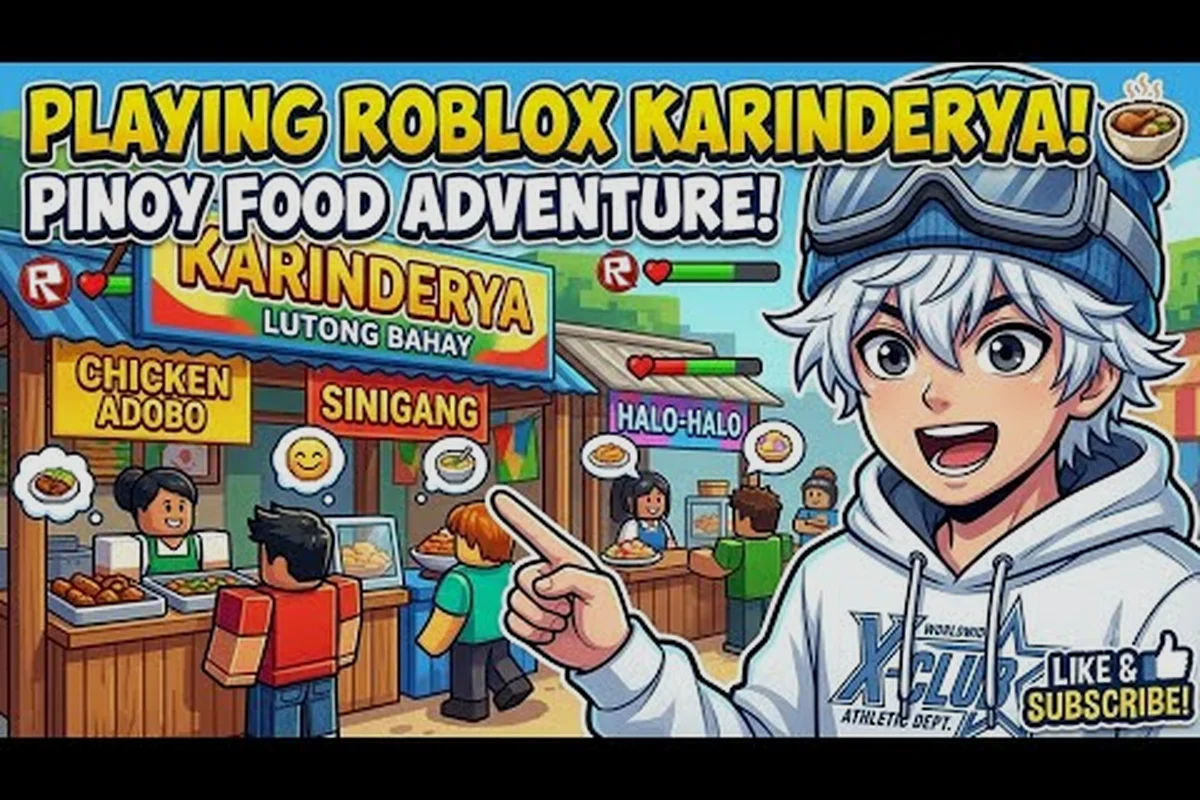
When players first step into a bustling Karinderya stall on Roblox, they encounter more than just a restaurant tycoon experience. They enter a carefully crafted world that blends the warmth of Filipino street food culture with unexpected layers of mystery and atmosphere. Understanding the Karinderya behind the scenes reveals how developers transformed a simple cooking game into an experience that resonates deeply with players who appreciate both authentic cultural representation and engaging gameplay mechanics.
The development process behind this Roblox title demonstrates how independent creators can honor real-world culinary traditions while building compelling interactive experiences. Players who take time to explore every corner of their virtual stalls might discover that the Karinderya setting carries more depth than initially apparent.
The Birth of a Filipino Street Food Experience
The concept for Karinderya emerged from a desire to bring authentic Filipino street food culture to the Roblox platform. Developers researched traditional karinderya establishments found throughout the Philippines—small eateries typically run from home garages or roadside stalls that serve affordable, home-cooked meals. This research formed the foundation for a game that captures the spirit of communal dining and the comforting atmosphere of neighborhood food spots.
The development team focused on creating an experience that felt genuine rather than superficial. Rather than simply labeling dishes with Filipino names, they studied how actual karinderya operations function, from the layout of cooking stations to the rhythm of taking customer orders during peak hours. This attention to detail manifests in gameplay mechanics that mirror real-world kitchen workflows, requiring players to manage multiple orders simultaneously while maintaining food quality.
Initial prototypes underwent significant iteration before the game reached its current form. Early versions tested various business models, including franchise systems and ingredient wholesale mechanics, before settling on the approachable stall-operation format that makes the game accessible to new players while offering depth for those seeking [Karinderya hidden secrets]/lore/hidden-secrets) and advanced strategies.
Cultural Authenticity and Visual Design
The visual identity of Karinderya draws heavily from Philippine architectural and design elements, creating a distinctive atmosphere that distinguishes it from generic restaurant simulators. The iconic nipa hut silhouette featured in the game's favicon represents more than decorative branding—it signals the authentic Filipino aesthetic that permeates every aspect of the virtual environment.
| Design Element | Cultural Reference | Gameplay Integration |
|---|---|---|
| Wooden counter layout | Traditional market stalls | Player workspace for order assembly |
| Nipa hut roof structures | Rural Filipino architecture | Decorative elements and zone markers |
| Steam and smoke effects | Cooking authentic dishes | Visual feedback for food preparation |
| Warm amber lighting | Tropical sunset atmosphere | Creates welcoming ambiance for customers |
| Bamboo and rattan textures | Native Filipino materials | Furniture and decoration options |
The warm color palette featuring amber and golden tones reflects the golden hour lighting common in tropical environments, creating an inviting atmosphere that encourages prolonged play sessions. Developers intentionally designed the lighting system to shift subtly throughout the virtual day cycle, mimicking how real Filipino street vendors adjust their operations based on natural light availability.
Furniture placement mechanics reflect cultural considerations that Western players might initially overlook. In authentic karinderya settings, the counter serves as a natural barrier between cooking areas and customer interaction zones. This spatial organization translates into gameplay where strategic furniture positioning affects customer satisfaction ratings and order completion efficiency.
The Horror Elements That Haunt the Kitchen
Beneath its cozy exterior, Karinderya incorporates subtle horror elements that reward observant players with intriguing discoveries. These atmospheric touches transform routine cooking sessions into experiences where players remain alert for unexpected occurrences that break the mundane rhythm of restaurant operation.
The [Karinderya neighborhood eatery]/lore/neighborhood-eatery) concept extends beyond ordinary gameplay mechanics into territory that explores workplace folklore. Players report encountering mysterious occurrences when operating their stalls during late-game hours, including flickering lights, displaced furniture, and ambient sounds that seem to originate from behind kitchen walls. These elements suggest underlying narrative threads that connect individual stalls into something larger.
Jump scare mechanics appear sparingly but effectively, typically triggered by specific player actions or during particular in-game events. The ghost worker lore suggests that the establishments players operate carry memories of previous tenants, with residual supernatural activity manifesting when certain conditions align. This approach to horror integration respects players who want peaceful gameplay while offering rewards for those who embrace the unsettling atmosphere.
The development team implemented these horror elements as nods to Filipino supernatural traditions, including beliefs about haunted locations and the spirits of those who passed while engaged in daily work. Rather than exploitative scares, these moments provide cultural education through interactive storytelling, teaching players about Philippines folklore while they manage their virtual businesses.
Technical Implementation and Performance
Bringing authentic visual elements to Roblox required careful optimization to maintain playable performance across various hardware configurations. The cooking mechanics demanded particular attention, as realistic steam effects and food preparation animations required scripting that balanced visual fidelity with client-side performance requirements.
| Technical Aspect | Challenge | Solution Implemented |
|---|---|---|
| Steam effects | Particle system overhead | Optimized shader with distance-based rendering |
| Order management | Real-time synchronization | Server-side queue system with client prediction |
| Furniture physics | Collision detection limits | Simplified hitboxes for interactive objects |
| Audio integration | Spatial sound calculation | Zone-based audio with ambient layering |
| Save systems | Data persistence across sessions | Cloud-based inventory and progress storage |
The decision to feature a flat, minimalist icon style rather than detailed 3D renders served both aesthetic and technical purposes. Clean geometric shapes ensure the favicon remains highly readable at small sizes while establishing visual consistency across different display contexts. This design philosophy extends to the in-game interface, where clear typography and intuitive iconography guide players through complex kitchen operations. The user interface was designed with accessibility in mind, featuring large touch targets for mobile players and keyboard shortcuts for desktop users. Every interaction, from dragging furniture to selecting dishes, was tested across multiple device types to ensure consistent responsiveness regardless of how players access the game.
Cooking mechanics utilize a combination of client-side prediction and server validation to create responsive gameplay that feels immediate while maintaining data integrity. When players flip pans or stir pots, immediate visual feedback confirms their actions, while background processes verify that cooking times and ingredient combinations meet game requirements.
Community Influence on Game Evolution
The Karinderya development timeline reflects ongoing collaboration between creators and the player community, with updates responding to player feedback and feature requests. Initial releases focused on core cooking and serving mechanics, establishing the fundamental loop that keeps players returning for additional sessions.
Community suggestions shaped significant gameplay additions, including expanded furniture catalogs and additional recipe options. Players who discovered [Karinderya active codes]/codes/active-codes) through official channels gained early access to new ingredients and equipment, creating engagement loops that rewarded invested players while maintaining accessibility for casual participants.
The codes system itself emerged from community requests for ways to share rewards with friends and fellow players. Rather than implementing aggressive monetization, developers chose a gifting model that encourages social interaction, with code distribution through official channels providing controlled reward supply that maintains in-game economic balance.
Cultural accuracy reviewers from Filipino community groups provided feedback during development, identifying details that might misrepresent Filipino cuisine or culture. This consultation process resulted in adjustments to dish presentation, ingredient accuracy, and environmental storytelling elements that enhance authenticity without relying on stereotypes or superficial markers.
What Lies Ahead for Karinderya
The foundation established through careful development practices positions Karinderya for continued expansion and refinement. Ongoing development plans include additional recipes that showcase regional Filipino cuisine variations, new furniture pieces that reflect contemporary Filipino interior design trends, and enhanced multiplayer features that allow collaborative restaurant management.
The horror elements introduced in current versions represent a starting point rather than a ceiling for atmospheric development. Future updates may expand the supernatural lore through dedicated story missions and environmental storytelling, rewarding players who pay attention to subtle details with deeper understanding of the Karinderya background narrative.
Technical improvements will continue addressing performance optimization while introducing new visual features that push the boundaries of what Roblox experiences can deliver. The development team has expressed interest in exploring advanced lighting techniques and physics-based interactions that enhance the tactile satisfaction of virtual cooking.
Players invested in maximizing their gameplay should watch for official announcements regarding new codes releases and feature updates. Understanding the philosophy behind development decisions helps players appreciate why certain mechanics exist and how they contribute to the overall experience rather than feeling arbitrary or frustrating.
| Development Phase | Duration | Key Activities | Community Impact |
|---|---|---|---|
| Concept & Research | 2-3 weeks | Cultural study, gameplay prototyping | Teasers shared on Discord |
| Core Development | 4-6 weeks | Asset creation, scripting, testing | Beta server access for testing |
| Polish & Balance | 1-2 weeks | Bug fixes, gameplay tuning | Feedback collection from testers |
| Release & Support | Ongoing | Hotfixes, content updates | Community guides and showcases |
Frequently Asked Questions
What inspired the creation of Karinderya on Roblox?
The development team aimed to bring authentic Filipino street food culture to Roblox, drawing inspiration from traditional karinderya establishments throughout the Philippines. Research into real-world operations informed gameplay mechanics and visual design, creating an experience that respects cultural origins while offering engaging tycoon gameplay.
How do the horror elements work in Karinderya?
Horror elements manifest through atmospheric details like flickering lights, ambient sounds, and occasional jump scares during specific conditions or player actions. These supernatural touches reference Filipino folklore traditions and add mystery to the otherwise cozy restaurant simulation. Players seeking peaceful gameplay can largely avoid these elements, while those exploring thoroughly might discover hidden lore.
Can players influence future Karinderya development?
Community feedback significantly shapes development priorities, with players able to submit suggestions through official channels. Active code distribution rewards engaged community members, and cultural accuracy reviewers help ensure respectful representation of Filipino traditions. The development team maintains ongoing communication with the player base regarding upcoming features and planned improvements.
What makes Karinderya's cultural representation different from other restaurant games?
Unlike generic cooking simulators, Karinderya incorporates specific Filipino cultural elements including architectural details like nipa hut silhouettes, traditional color palettes, and authentic dish preparation methods. Consultation with Filipino community members during development helped ensure respectful and accurate representation rather than superficial branding.
Are there hidden secrets or easter eggs in Karinderya?
Players who explore thoroughly report discovering subtle environmental details, unexplained atmospheric occurrences, and lore fragments that suggest deeper narratives beyond standard gameplay. The ghost worker concept hints at supernatural storylines woven into the seemingly ordinary restaurant environment, rewarding curiosity and careful observation.