
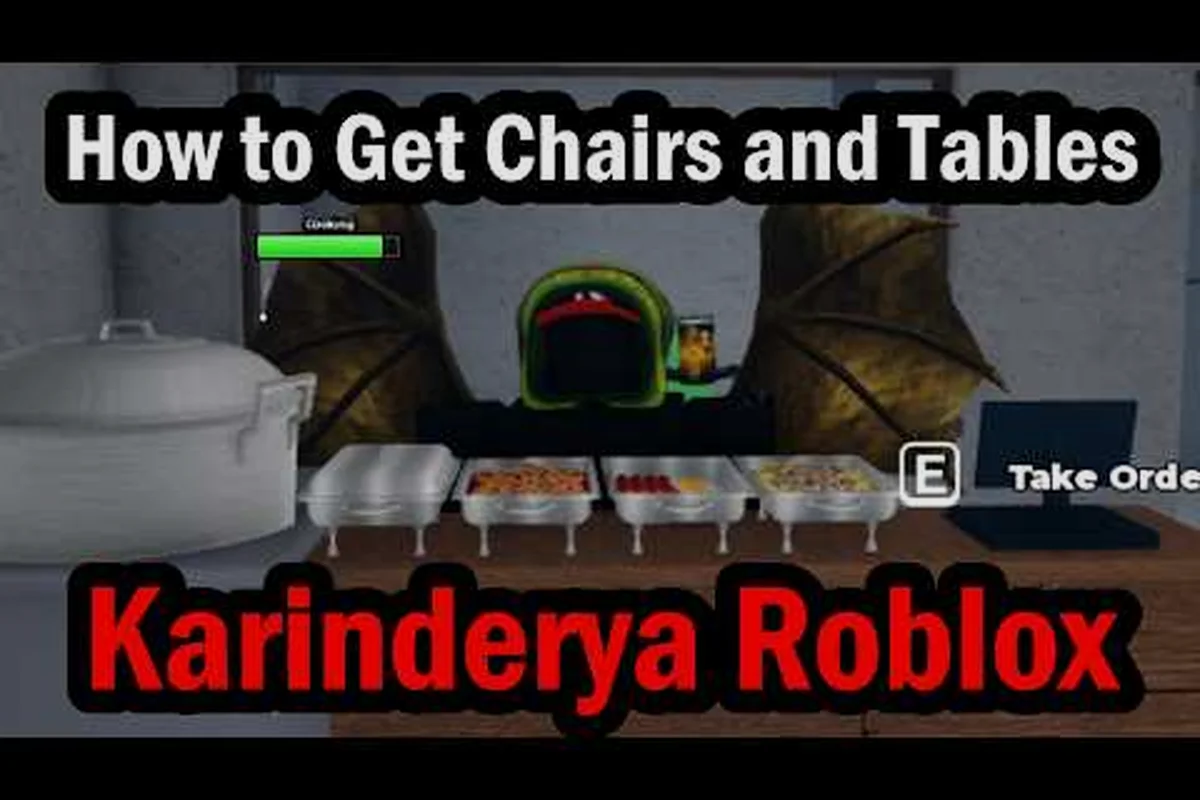
When the night crowd descends on your Filipino street food stall, every second counts. Karinderya rush hour tips aren't just about speed—they're about working smarter so you keep customers happy and your reputation intact. Late-night service in this Roblox restaurant tycoon can feel overwhelming without a solid plan, but a few strategic adjustments transform chaos into smooth operations.
This guide breaks down exactly how to prepare before the rush hits, optimize your cooking workflow, and maintain high customer satisfaction even when your stall is packed. Whether you're new to Karinderya or looking to refine your late-night strategy, these techniques help you serve faster and lose fewer sales.
Understanding Karinderya Rush Hours
Karinderya operates on a dynamic customer system where foot traffic fluctuates throughout the day and night. Rush hours typically occur during evening hours when the cozy, late-night street food mood kicks in—this aligns with the warm, nostalgic atmosphere that defines the game's visual design philosophy. During these peak periods, customers arrive in rapid succession, and their patience depletes faster than you can say "islang mangga."
The game rewards efficient players who can balance taking orders, cooking dishes, and serving customers without dropping the ball. When multiple customers queue up simultaneously, the stakes rise. Each waiting customer has a patience meter, and once it empties, they leave—not just disappointed, but potentially taking their tip money with them. Understanding this mechanic is the foundation of any effective Karinderya rush hour strategy.
Late-night crowds in Karinderya often include "ghost workers" returning from night shifts, according to neighborhood eatery lore that adds charm to the gameplay experience. These phantom customers move faster and expect quicker service, making your preparation even more critical during graveyard hours. Learning to read the customer flow patterns helps you anticipate demand spikes before they overwhelm your station.
Pre-Rush Preparation Checklist
Proper preparation before the rush begins separates successful Karinderya operators from those constantly chasing their tails. Start by reviewing your current dish inventory and ensuring all popular items are fully stocked. The Filipino food list in your kitchen determines what you can actually serve, so there's no substitute for knowing your menu inside and out.
| Preparation Task | Priority Level | Time Required |
|---|---|---|
| Stock all starter dishes | Critical | 2-3 minutes |
| Arrange furniture for flow | High | 3-5 minutes |
| Test cooking stations | High | 1-2 minutes |
| Clear serving area clutter | Medium | 1 minute |
| Check tip jar status | Low | 30 seconds |
Organize your stall layout so customers can approach the counter without blocking your cooking path. The optimal Karinderya setup places the serving counter near the entrance while keeping cooking stations in a separate zone—minimizing bottlenecks when orders pile up. If you've invested in ambiance upgrades, position them strategically to enhance the late-night mood without interfering with your workflow.
Familiarize yourself with the cooking times for each dish on your menu. Some Filipino street food items cook faster than others, and knowing these times lets you sequence your cooking intelligently. Start the longest-cooking dishes first while simultaneously preparing quick items, ensuring everything finishes around the same time.
Speed Cooking Techniques for Faster Service
Cooking faster without sacrificing quality is the heart of any Karinderya fast service tips collection. The key lies in understanding that cooking in this game isn't about frantically clicking—it's about strategic sequencing and exploiting any available shortcuts. Every dish has a defined preparation path, and mastering that path reduces wasted motion.
When taking orders, group similar items together whenever possible. If three customers order sinigang, cook one large batch instead of three separate pots. This batch cooking approach multiplies your efficiency during rush periods when identical orders stack up. Watch for patterns in customer orders; certain dish combinations appear frequently, and recognizing these patterns lets you anticipate demand.
Your cooking station layout impacts speed significantly. Keep frequently-used ingredients within arm's reach, and position your primary cooking appliance where you can monitor it while completing other tasks. Some players overlook the importance of station optimization, but it's a game-changer during intense late-night sessions.
Consider creating a mental cooking priority list:
- Longest cook times go first
- Quick-fix items (grilled skewers, fried snacks) handle mid-rush surges
- Cold dishes (achara, sides) require zero cooking time—save these for emergencies
- Prepare extra portions of popular dishes before peak hours hit
The goal isn't perfection on every single order—it's maintaining acceptable quality across all orders while keeping your customer queue moving. A perfectly cooked specialty dish means nothing if five other customers have already left in frustration.
Multi-Tasking Strategy for Peak Performance
Karinderya multi-tasking strategy separates casual players from high-earners. The game rewards those who can juggle multiple responsibilities simultaneously, but effective multi-tasking requires understanding which tasks can overlap and which demand full attention.
While a dish simmers, use that dead time to take new orders or serve completed plates. These micro-tasks fill gaps in your cooking schedule, keeping every second productive. Train yourself to recognize cooking stages that require active attention versus passive waiting—passive periods are your multi-tasking windows.
Never stand idle when customers are waiting. If your cooking station is occupied and you can't immediately serve, acknowledge the waiting customers by waving or nodding. This simple gesture buys patience and reduces the likelihood of early departures. Customer satisfaction in Karinderya isn't purely about speed—it's about perceived attentiveness.
Here's a practical multi-tasking sequence for rush periods:
| Phase | Primary Action | Secondary Actions |
|---|---|---|
| Order Taken | Record dish requirements | Greet next customer |
| Cooking Start | Begin longest dish | Prep quick items |
| Mid-Cook | Monitor primary dish | Clear finished plates |
| Service | Deliver and collect payment | Begin next cooking cycle |
Delegate strategically if you've unlocked worker slots through your Karinderya best strategy progression. Workers can handle repetitive tasks like serving sides or clearing tables, freeing you to focus on cooking complex dishes. Even a single helper dramatically improves your throughput during overwhelming rushes.
Maintaining Customer Satisfaction Under Pressure
Customer satisfaction during peak hours determines your long-term success more than any single rush period. Angry customers don't just leave—they potentially damage your stall's reputation, affecting future customer behavior. Protecting satisfaction requires balancing speed with perceived quality of service.
Tip jars placed strategically near your serving counter encourage generous customers to leave extra income. The ambiance upgrades you've invested in also play a role—warm lighting and cozy decorations make customers more forgiving of minor delays. These small touches compound into meaningful satisfaction boosts across hundreds of transactions.
Track which dishes generate the most complaints or returns. If a particular recipe consistently causes issues during rush hours, consider temporarily removing it from your menu until you can optimize its preparation. Your Karinderya profit strategy should account for menu curation—sometimes less is more during peak service times.
Communication matters even without dialogue options. Efficient body language—pointing at ready dishes, gesturing toward the menu for unstocked items, nodding while taking orders—conveys professionalism. Customers respond to a well-run operation, and visual cues maintain engagement even when you're moving at maximum speed.
Consider implementing a simple customer triage system:
- VIP customers (indicated by special appearance) get priority service
- Customers with nearly-depleted patience meters receive immediate attention
- Regular customers accept brief waits if they've seen you actively working
- New arrivals set your baseline service standard
This mental framework helps you allocate attention where it matters most, preventing the common rush-hour mistake of spreading yourself too thin across all customers equally.
Late Night Strategy for Maximum Efficiency
Karinderya late night strategy deserves special attention because the night shift presents unique challenges and opportunities. The game's warm, cozy street food atmosphere reaches its peak after dark, and night customers often behave differently than daytime visitors. Some arrive in large groups, while others want quick solo transactions.
Night rushes tend to last longer than daytime spikes, making endurance a factor. Pace yourself accordingly—avoid burning out in the first twenty minutes of a two-hour peak period. Sustainable intensity beats explosive starts followed by exhausted collapses.
| Time Period | Customer Volume | Recommended Strategy |
|---|---|---|
| Early Evening | Moderate | Gradual prep, stock extra portions |
| Prime Rush | High | Maximum efficiency, prioritize speed |
| Late Night | Variable | Maintain steady pace, watch for surges |
| Pre-Dawn | Low | Recovery period, clean and restock |
Post-rush cleanup is part of your late-night strategy. Once the crowd subsides, immediately restock depleted ingredients and clear any accumulated mess. Players who skip this step arrive at the next rush period already behind, creating a compounding disadvantage. Treat closing procedures as preparation for the next day's success.
Energy management matters in extended play sessions. If you're running a marathon night shift, take brief micro-breaks between customer waves. These 10-15 second pauses prevent mental fatigue and maintain your reaction speed—something many players overlook until burnout destroys their performance.
Avoiding Customer Loss During Rush Periods
Understanding how to Karinderya avoid losing customers requires knowing exactly why they leave. Patience meters deplete based on wait time, but the rate varies by customer type and time of day. Night customers generally have slightly more patience than daytime rush customers, but this advantage disappears if you provide no service feedback.
The most common mistake during rushes is ignoring the queue while cooking. Even if you can't serve immediately, acknowledge waiting customers regularly. A simple wave or nod every few seconds signals that you haven't forgotten them. Customers who feel forgotten leave faster than customers who know help is coming.
Stock management prevents the ultimate customer loss scenario: being unable to fulfill orders. If you run out of key ingredients mid-rush, customers ordering those items have no choice but to leave disappointed. Your early-game guide should emphasize the importance of over-preparing ingredients by 20-30% beyond expected demand—running slightly short is better than running completely empty.
Consider these warning signs that you're about to lose customers:
- Three or more customers waiting simultaneously
- Any customer patience meter below 25%
- Order queue growing faster than you're serving
- Multiple customers requesting the same out-of-stock dish
When these signals appear, pivot immediately. Temporarily reduce your menu to items you can cook fastest, ignore less-critical tasks, and focus entirely on clearing the queue. This triage approach isn't ideal for normal operations, but it prevents catastrophic customer loss during overwhelming rush periods.
Your efficiency guide should include a personal benchmark: maximum customers served per minute during optimal conditions. Knowing this number lets you recognize when you're falling behind and need emergency protocols. Most players can serve 2-3 customers per minute under normal conditions; rush periods might drop this to 1-2 as chaos increases.
Frequently Asked Questions
How do I know when rush hour is about to start in Karinderya?
Watch for the visual and audio cues that signal increasing customer traffic. The warm lighting shifts slightly, and you'll notice more customers spawning near your stall entrance. Experienced players start their pre-rush preparation about 30-60 seconds before the visible traffic increase.
What's the fastest way to serve multiple customers at once?
Group identical orders and cook them together rather than individually. While that batch simmers, quickly acknowledge other waiting customers with gestures. This parallel approach maximizes your throughput without sacrificing service awareness.
Should I focus on cooking speed or customer interaction during rushes?
Both matter, but prioritize speed slightly during peak periods. Brief, efficient interactions work better than lengthy conversations. A quick smile and nod maintains connection while keeping your queue moving. Extended dialogue slows everything down.
How many dishes should I pre-stock before rush hour begins?
Stock enough for approximately 150% of your typical rush-period demand. Running 20% short is manageable; running empty devastates customer satisfaction. Adjust based on your specific traffic patterns—if you consistently run out of particular dishes, increase those quantities next time.
Can ambiance upgrades really improve customer patience during late-night service?
Yes. Strategic ambiance upgrades create a more forgiving atmosphere where customers tolerate slightly longer waits. The cozy late-night mood specifically encourages patience, making your environment work for you rather than against you during intense service periods.
Mastering Karinderya rush hour tips takes practice, but every successful rush compounds your skills. Start with the preparation checklist, focus on cooking efficiency, and gradually refine your multi-tasking approach. The late-night crowds are demanding, but they're also your biggest income opportunity. Build the systems, maintain your stall, and watch your Filipino street food empire grow—one satisfied customer at a time.