
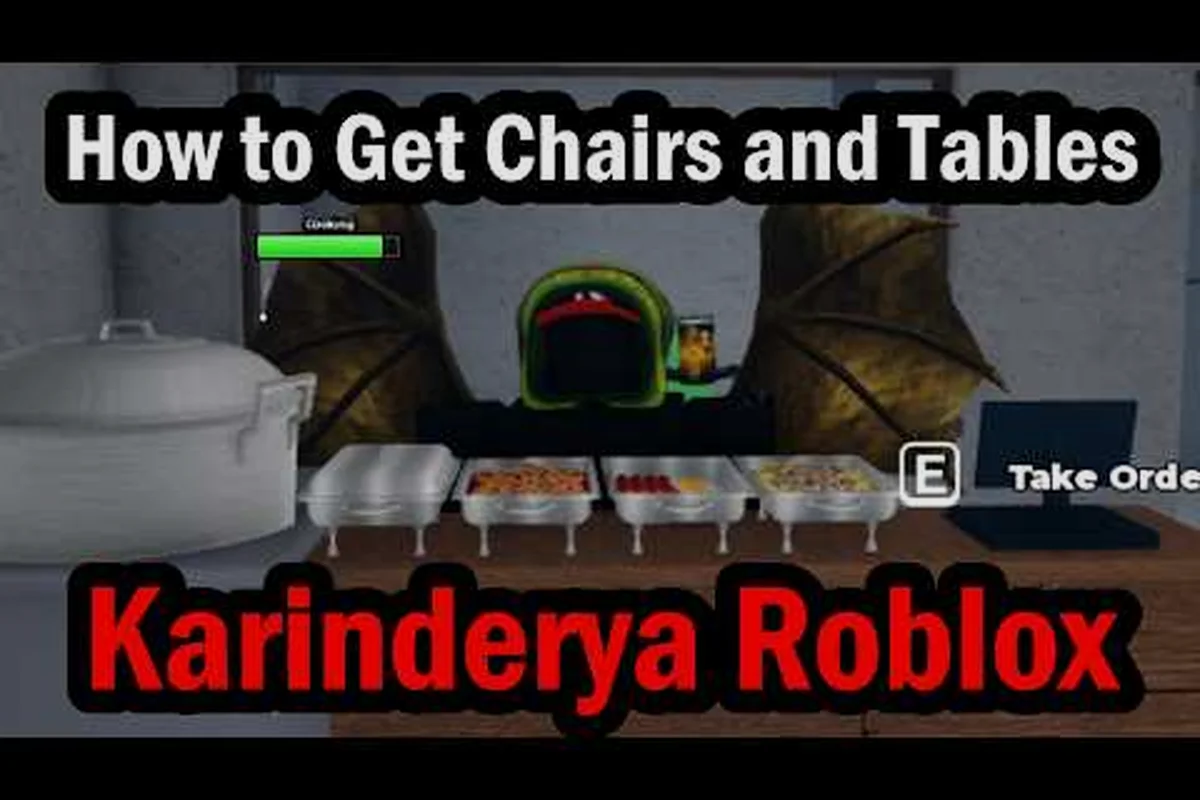
Lorsque vous tenez votre stand de street food philippin dans Karinderya, chaque seconde compte pour vos gains quotidiens. Maîtriser les commandes prioritaires de Karinderya peut faire la différence entre un service rentable et regarder les pièces s'échapper tandis que des clients impatients partent. Comprendre quels clients méritent votre attention immédiate et quelles commandes vous pouvez regrouper distingue les vendeurs expérimentés des débutants encore en apprentissage.
Ce guide décompose le système de priorité complet, révèle comment repérer les clients à forte valeur avant même qu'ils n'atteignent votre comptoir, et propose des workflows actionnables que les joueurs expérimentés utilisent pour maximiser leur débit. Que vous débutiez ou que vous cherchiez à optimiser votre installation actuelle, ces stratégies vous aideront à gérer l'affluence du déjeuner sans peine.
Comment fonctionne la priorité des clients dans Karinderya
Le système de commandes prioritaires de Karinderya fonctionne sur une évaluation multifactorielle qui prend en compte la patience du client, le potentiel de pourboire, la complexité de la commande et le moment d'arrivée. Lorsque les clients entrent dans la zone de votre stand, le jeu attribue à chacun un score de priorité qui détermine sa position dans votre file de service. Ce score n'est pas statique : il diminue à mesure que les clients attendent, ce qui signifie qu'hésiter sur une commande peut transformer un client à haute priorité en une vente perdue.
Comprendre ces mécaniques nécessite de reconnaître trois niveaux de priorité distincts que le jeu utilise en interne. Le premier niveau contient les clients sensibles au temps qui affichent des indicateurs visuels d'urgence comme des bulles de pensée ou une impatience animée. Le deuxième niveau englobe les clients standards avec des barres de patience normales, tandis que le troisième niveau inclut les clients arrivés pendant les périodes creuses et dont l'urgence est naturellement plus faible. Votre objectif est de servir tous les clients de niveau un avant que leur patience ne s'épuise, puis de traiter les niveaux deux et trois selon une approche de traitement par lots.
La vitesse de déclin de la patience varie en fonction de plusieurs facteurs, notamment le niveau d'encombrement actuel de votre stand et le fait que vous ayez récemment servi d'autres clients. Lorsque plusieurs clients de niveau un sont présents simultanément, celui dont la patience restante est la plus faible doit recevoir une attention immédiate, quel que soit le montant de son pourboire potentiel. Cette priorisation réactive empêche les ventes perdues tout en vous permettant de planifier votre flux de travail global.
Identifier et maximiser les clients VIP de Karinderya
Les clients VIP représentent les opportunités à plus forte valeur dans votre stratégie de commandes prioritaires de Karinderya, et apprendre à les identifier rapidement peut considérablement augmenter vos gains quotidiens. Ces clients apparaissent généralement avec des distinctions visuelles subtiles : leurs modèles de personnages comportent souvent des accessoires premium, et leurs tickets de commande affichent une lueur ou une bordure distinctive qui les distingue des habitués. Certains clients VIP s'annoncent également avec un dialogue spécial qui fait allusion à leur nature généreuse.
Lorsqu'un client VIP entre dans votre zone de service, il doit immédiatement devenir votre priorité pour plusieurs raisons qui ont un impact direct sur vos revenus. Premièrement, les clients VIP offrent systématiquement des pourboires qui dépassent le paiement de base de leur commande de 50 à 200 % selon la rapidité avec laquelle vous traitez leur demande. Deuxièmement, servir les clients VIP avec succès augmente la réputation de votre stand, ce qui attire davantage de clients à forte valeur au fil du temps. Troisièmement, les clients VIP commandent souvent des articles de votre menu premium qui dégagent des marges bénéficiaires plus élevées que les plats basiques.
Le gamepass VIP de Karinderya ajoute des couches supplémentaires à cette dynamique en fournissant un boost de vitesse qui réduit votre temps de service auprès de ces clients. Les joueurs qui investissent dans ce gamepass déclarent gérer les clients VIP 30 à 40 % plus vite que ceux qui se fient uniquement aux mécaniques de base. Même sans le gamepass, donner la priorité aux clients VIP reste essentiel : leurs pourboires améliorés s'accumulent tout au long d'une session de jeu, créant une différence notable dans vos gains en fin de service par rapport aux joueurs qui servent tout le monde de manière égale.
Gestion stratégique des commandes combo
Les commandes combo présentent des défis uniques dans le cadre des commandes prioritaires de Karinderya, car elles nécessitent plus de temps pour être réalisées tout en offrant des paiements totaux plus élevés. Une commande combo se compose généralement de 2 à 4 articles individuels que les clients demandent ensemble, et le jeu récompense les joueurs capables de produire efficacement ces demandes multi-articles sans sacrifier la vitesse de service des autres clients en attente.
La clé d'une gestion réussie des commandes combo réside dans la compréhension des articles que vous pouvez préparer simultanément par rapport à ceux qui nécessitent des étapes séquentielles. Par exemple, si un combo comprend des plats à base de riz et des plats de nouilles, vous pouvez démarrer la cuisson du riz en premier tout en préparant simultanément les ingrédients des nouilles. Ce flux de travail parallèle réduit le temps total de réalisation par rapport au fait de traiter chaque article complètement avant de passer au suivant.
Lorsque plusieurs commandes combo s'accumulent simultanément, votre stratégie de commandes combo de Karinderya doit se baser sur la valeur totale plutôt que sur le nombre d'articles. Un combo de trois articles valant 500 pièces doit généralement avoir la priorité sur un combo de deux articles valant 200 pièces, en supposant que les deux clients ont une patience restante similaire. Cependant, vous devez également tenir compte de la patience du client : si servir le combo de grande valeur entraîne l'épuisement complet de la patience d'un autre client, la commande plus petite devient prioritaire pour éviter de perdre des ventes.
Les joueurs avancés développent ce que la communauté appelle des « fenêtres de cuisson par lots » — des périodes désignées où ils se concentrent exclusivement sur la préparation d'articles couramment présents dans les commandes combo, même lorsqu'aucune commande immédiate ne les exige. Cette préparation proactive signifie que les commandes combo peuvent être assemblées quasi instantanément à leur arrivée, améliorant considérablement votre débit pendant les heures de pointe où les demandes de combo deviennent les plus fréquentes.
Éviter les goulots d'étranglement du service
Les goulots d'étranglement du service se produisent lorsque le volume de commandes entrantes dépasse votre capacité à les honorer, créant des défaillances en cascade où les clients partent frustrés et votre réputation en pâtit. Une gestion efficace des commandes prioritaires de Karinderya nécessite d'anticiper ces goulots d'étranglement avant qu'ils ne surviennent et de mettre en œuvre des mesures préventives qui maintiennent votre service fluide même pendant les périodes les plus chargées.
Le goulot d'étranglement le plus courant se produit au poste de cuisson lui-même, où les joueurs passent trop de temps à préparer des articles individuels au lieu d'exploiter l'efficacité de la cuisson en gros. Lorsque vous anticipez une période d'affluence, préparer à l'avance plusieurs portions d'articles populaires vous permet de servir les clients instantanément plutôt que de leur faire attendre la durée complète du processus de cuisson. Cette stratégie fonctionne particulièrement bien pour les plats dont le temps de préparation est long comme le sinigang et l'adobo, qui bénéficient considérablement d'une préparation partielle avant l'arrivée des commandes.
Un autre goulot d'étranglement fréquent se produit au comptoir de service lorsque les joueurs passent trop de temps avec un seul client. Même si la commande d'un client est complexe, vous devez vous efforcer de minimiser le temps d'interaction direct en ayant tous les composants prêts avant de l'appeler. Les vendeurs expérimentés organisent leur espace de travail de sorte que les plats terminés soient toujours visibles et accessibles, éliminant le besoin de fouiller dans l'inventaire lorsqu'un client est prêt à être servi.
La disposition de votre stand impacte directement la gravité des goulots d'étranglement, faisant des meilleures pratiques de disposition de stand de Karinderya une connaissance essentielle pour les vendeurs sérieux. Positionner vos postes de cuisson en triangle ou en U vous permet de vous déplacer entre les zones de préparation sans croiser votre propre chemin. Gardez les ingrédients fréquemment utilisés à portée de main, placez les plats terminés dans une zone de mise en scène dédiée près du comptoir, et veillez à ce que les chemins de circulation des clients ne croisent pas vos mouvements de cuisson. Ces optimisations spatiales s'additionnent en secondes gagnées par client, ce qui se cumule en améliorations substantielles du débit sur une session de jeu prolongée.
Optimisation du flux de travail pour des performances de pointe
Transformer votre système de commandes prioritaires de Karinderya d'une approche réactive à proactive nécessite de développer un flux de travail cohérent que vous pouvez exécuter de manière fiable sous pression. Les flux de travail les plus efficaces partagent des caractéristiques communes : ils minimisent les mouvements inutiles, regroupent les tâches similaires et maintiennent un progrès continu vers le service du client suivant même pendant que vous terminez le client actuel.
Votre flux de travail optimal commence au moment où un client entre dans votre zone de service. Premièrement, évaluez rapidement la complexité de sa commande et son niveau de patience tout en vous dirigeant vers votre espace de préparation. Deuxièmement, lancez une salutation qui le reconnaît — cette petite interaction prolonge légèrement son minuteur de patience et signale que vous avez remarqué son arrivée. Troisièmement, commencez à préparer sa commande en utilisant la méthode la plus rapide possible, même si cela signifie utiliser des ingrédients légèrement plus chers pour gagner du temps de préparation. Quatrièmement, livrez la commande terminée et encaissez le paiement avant de tourner immédiatement votre attention vers le prochain client en attente.
La stratégie pour gagner de l'argent dans Karinderya qu'emploient les meilleurs gagnants consiste à traiter l'intégralité de votre session de jeu comme un problème d'optimisation continue plutôt que comme une série de transactions individuelles. Chaque client servi avec succès crée un petit gain d'efficacité — des pièces supplémentaires qui peuvent être réinvesties dans des améliorations du stand, une réputation supplémentaire qui attire de meilleurs clients, et de l'expérience supplémentaire qui débloque de nouveaux articles de menu. Ces gains cumulatifs signifient que chaque seconde économisée grâce à l'optimisation du flux de travail génère des rendements bien au-delà du gain de temps immédiat.
Suivre vos indicateurs de performance aide à identifier où votre flux de travail doit être amélioré. Notez combien de clients vous servez par minute, quel pourcentage de clients partent frustrés, et comment vos gains se comparent entre les périodes calmes et chargées. Ces données révèlent si votre goulot d'étranglement se situe dans la vitesse de cuisson, l'efficacité au comptoir, ou autre chose — et comprendre le goulot d'étranglement est la première étape pour l'éliminer.
Patience des clients et gestion des commandes urgentes
Les commandes urgentes nécessitent un traitement spécial dans votre approche des commandes prioritaires de Karinderya, car elles comportent des délais stricts qui diffèrent des minuteurs de patience standard des clients. Ces commandes apparaissent souvent sous forme d'événements spéciaux ou de défis quotidiens qui récompensent une exécution rapide par des paiements bonus, ce qui en fait des cibles attractives pour une attention ciblée lorsqu'elles deviennent disponibles.
Le jeu signale les commandes urgentes par des indicateurs visuels distincts — un affichage de minuteur, des tickets de commande spéciaux, ou un dialogue client qui souligne l'urgence. Lorsque vous remarquez ces signaux, évaluez immédiatement si vous pouvez terminer la commande dans le délai imparti tout en maintenant votre service aux autres clients. Si servir cette commande entraîne l'épuisement complet de la patience d'autres clients, vous devrez peut-être retarder stratégiquement la commande urgente jusqu'à ce que vous puissiez la gérer sans risquer des ventes perdues supplémentaires.
Comprendre la courbe de déclin de la patience vous aide à prendre de meilleures décisions sur les commandes à prioriser lorsque le temps est limité. La patience des clients ne diminue pas de manière linéaire — elle reste plutôt relativement stable pendant un certain temps avant de chuter rapidement dans les dernières secondes. Cela signifie que vous avez plus de flexibilité qu'il n'y paraît au premier abord, mais cela signifie aussi qu'attendre trop longtemps transforme une situation gérable en urgence. Visez à servir les clients lorsqu'il leur reste 30 à 40 % de leur patience, ce qui vous laisse une marge de manœuvre pour les complications imprévues tout en évitant la précipitation des complétions de dernière seconde.
Différents articles du menu ont différents temps de préparation, et aligner les articles à cuisson rapide avec les commandes urgentes maximise vos chances de succès. Gardez un catalogue mental du temps nécessaire pour préparer chaque plat, et utilisez cette connaissance pour décider s'il faut accepter une demande urgente. Une commande urgente pour des articles rapides comme le lumpia ou le taho peut souvent être réalisée en parallèle avec des commandes standards, tandis que les demandes de plats complexes comme le lechon kawali peuvent nécessiter une attention dédiée qui perturbe votre flux de travail normal.
| Type de commande | Niveau de patience | Multiplicateur de récompense | Priorité |
|---|---|---|---|
| Standard | Normale | 1.0x | Faible |
| Client VIP | Faible | 2.0x | Critique |
| Bonus à durée limitée | Très élevée | 1.5x | Élevée |
| Nouveau visiteur | Modérée | 1.3x | Moyenne |
| Habitué de retour | Élevée | 1.2x | Moyenne |
Améliorations d'équipement essentielles pour la rapidité des commandes
Vos choix d'équipement impactent directement la rapidité avec laquelle vous pouvez honorer les commandes prioritaires de Karinderya, rendant les améliorations stratégiques essentielles pour une optimisation sérieuse des profits. Bien que l'équipement de début de partie vous permette de démarrer, investir dans des appareils plus rapides et des postes de travail supplémentaires amplifie votre capacité à servir plus de clients par session.
| Catégorie d'amélioration | Option de base | Option améliorée | Option premium |
|---|---|---|---|
| Poste de cuisson | Brûleur unique | Brûleur double | Cuisinière industrielle |
| Comptoir de préparation | Petit chariot | Comptoir étendu | Îlot central |
| Zone de service | Guichet unique | Double guichet | Voie express |
| Stockage | Étagères ouvertes | Armoires fermées | Unité réfrigérée |
Les améliorations du poste de cuisson ont l'impact le plus significatif sur votre optimisation du flux de travail dans Karinderya, car elles déterminent votre débit de base. Un brûleur unique impose une cuisson séquentielle qui ne peut pas suivre les périodes chargées, tandis qu'un brûleur double permet une préparation parallèle qui augmente considérablement le nombre de plats que vous pouvez terminer par minute. Les équipements de qualité industrielle vont encore plus loin en incluant des fonctionnalités comme le brassage automatique et le maintien de température qui réduisent l'attention active requise pour chaque plat.
Des guichets de service supplémentaires vous permettent de gérer plus de clients simultanément sans sacrifier la qualité. Avec un seul guichet, les clients font la queue sur une seule file qui peut devenir écrasante pendant les heures de pointe. Ajouter un deuxième ou troisième guichet répartit la file et réduit les temps d'attente perçus, ce qui maintient les patients plus longtemps et vous offre plus de flexibilité dans la gestion de votre séquence de commandes prioritaires. Certains joueurs rapportent que les configurations à guichets multiples réduisent les plaintes des clients jusqu'à 60 % par rapport aux opérations à guichet unique.
| Scénario | Action recommandée | Niveau de risque | Résultat attendu |
|---|---|---|---|
| Commande VIP + commande à durée limitée en attente | VIP d'abord | Modéré | Bonus 2x conservé |
| 3 clients ou plus avec moins de 15 % de patience | Servir les plats les moins chers rapidement | Élevé | 2 clients sauvés |
| Heure de pointe + 1 bonus de temps disponible | Déléguer les plats rapides à la cuisson auto | Faible | Toutes les commandes honorées |
| Fonds faibles + commande de grande valeur en attente | Prioriser l'achèvement de la commande | Moyen | Fonds récupérés |
Questions Fréquentes
Qu'est-ce qui détermine la priorité des clients dans les commandes prioritaires de Karinderya ?
La priorité des clients est déterminée par une combinaison de facteurs incluant la patience restante, le montant du pourboire potentiel, la complexité de la commande et l'heure d'arrivée. Les clients VIP reçoivent automatiquement un statut de priorité élevée, tandis que les clients standards sont classés en fonction de la comparaison de leur patience avec celle des autres dans la file. Les commandes urgentes ont des délais indépendants qui supplantent les règles de priorité normales.
Comment puis-je identifier rapidement les clients VIP ?
Les clients VIP apparaissent généralement avec des distinctions visuelles comme des accessoires premium sur leurs modèles de personnages, des tickets de commande lumineux ou à bordure spéciale, et un dialogue distinctif. Lorsqu'un client VIP entre dans votre stand, donnez-lui immédiatement la priorité pour augmenter les pourboires et les gains de réputation. Le gamepass VIP de Karinderya met également ces clients davantage en évidence.
Dois-je toujours servir les commandes combo de plus grande valeur en premier ?
Pas nécessairement. Bien que les commandes combo de grande valeur méritent de l'attention, vous devez équilibrer la valeur de la commande avec la patience du client. Si servir un combo précieux risque de perdre un client dont la patience restante est plus faible, priorisez la commande urgente dans le temps pour éviter les ventes perdues. Utilisez des stratégies de traitement par lots pour gérer ensemble des commandes de valeur similaire lorsque c'est possible.
Quelle est la manière la plus efficace de prévenir les goulots d'étranglement du service ?
Prévenez les goulots d'étranglement en préparant à l'avance les articles populaires pendant les périodes creuses, en organisant votre espace de travail pour des mouvements efficaces, et en améliorant vos postes avec plusieurs stations de cuisson et guichets de service. Surveillez régulièrement votre file de clients et ajustez votre rythme de manière proactive plutôt que d'attendre que la file devienne ingérable.
Comment la disposition du stand affecte-t-elle ma gestion des commandes prioritaires ?
La disposition de votre stand détermine l'efficacité de vos déplacements entre les zones de cuisson, de préparation et de service. Une meilleure disposition de stand de Karinderya positionne les ingrédients fréquemment utilisés à portée de main, crée des chemins de circulation client clairs et vous permet de servir plusieurs clients sans croiser votre propre zone de travail. Les dispositions médiocres imposent des mouvements inutiles qui ralentissent l'ensemble de votre opération.