この記事はコミュニティの下書きであり、不完全な場合があります。更新をお待ちください。
設定beginner更新日: 2026/8/31

Neighborhood Eatery: Real-Life Roots | Karinderya

Learn why Karinderya is modeled after the Filipino neighborhood eatery tradition — affordable, communal, and serving comfort food around the clock.

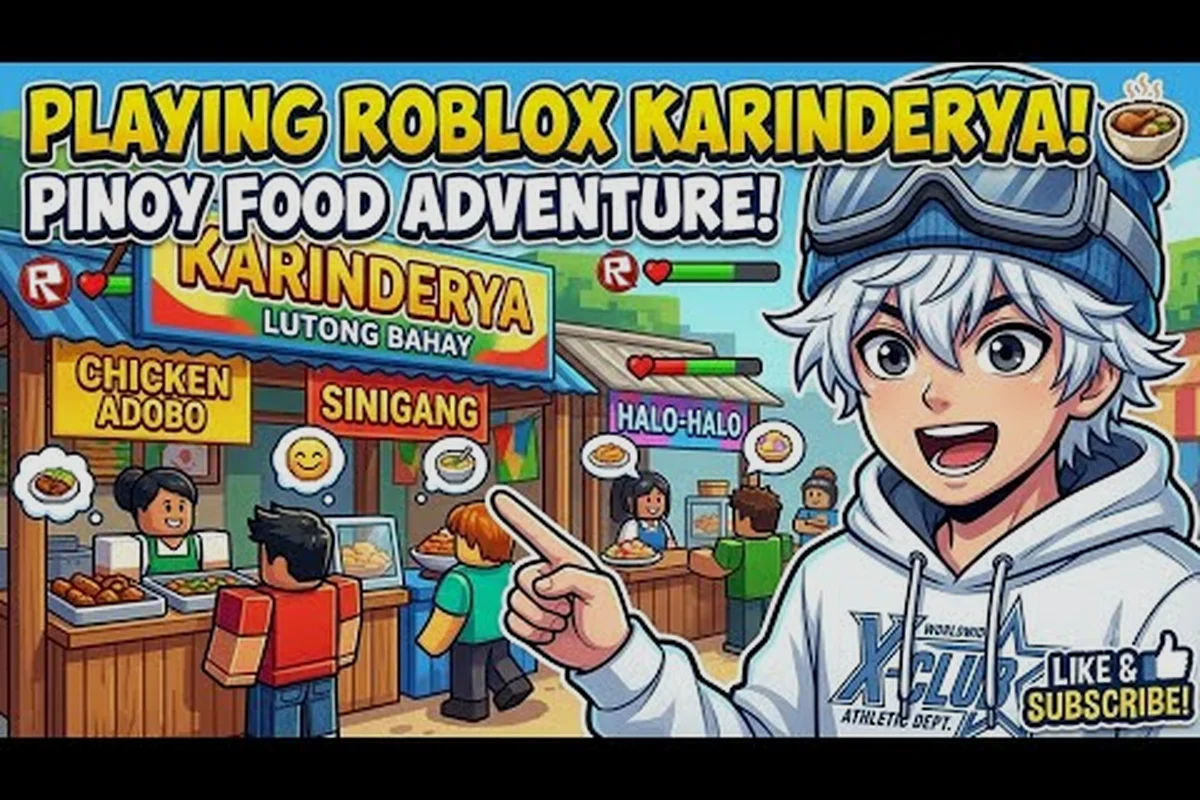
The moment you step into a Karinderya in Roblox, something feels instantly familiar to anyone who grew up in the Philippines. The cramped wooden counters, the sizzling pans behind the counter, the warm glow of hanging lamps—these details don't just make for attractive game design. They're a deliberate recreation of the neighborhood eatery culture that has defined Filipino street food for generations. Understanding where Karinderya draws its inspiration reveals why this Roblox experience resonates so deeply with players, whether they're familiar with Filipino cuisine or encountering it for the first time.

This article explores the real-world roots of the Karinderya concept, examining how the game captures the spirit of Filipino street food stalls and what makes its atmosphere—complete with mysterious late-night occurrences and memorable customer interactions—so compelling to players.

What Is Karinderya in Filipino Culture?

A karinderya represents a quintessentially Filipino institution: a small, informal eatery typically found along streets, near markets, or in residential areas. These establishments serve as community gathering spots where neighbors share meals, conversations flow freely, and affordable dishes satisfy daily hunger without formality. The word itself derives from "karindero," the Filipino term for the cook or proprietor running such an establishment.

Traditional karinderyas operate with minimal overhead costs. Proprietors often cook in simple spaces behind or beside the serving counter, with customers choosing from displayed dishes or placing orders for specific comfort foods. The menu typically features Filipino favorites like sinigang (sour soup), adobo (braised meat in soy and vinegar), and various viands paired with rice. Prices remain accessible to working-class Filipinos, making karinderyas essential community resources where anyone can enjoy a hot meal regardless of social standing.

The physical design of a karinderya reflects its practical purpose. Wooden benches and tables might seat a handful of regulars, while standing patrons lean against counters during busy periods. Colors tend toward warm earth tones—browns, oranges, and yellows—that create inviting atmospheres even in cramped spaces. These aesthetic choices directly influence the visual design players encounter in the Roblox game, where every detail aims to evoke authentic Filipino street food environments.

How Roblox Karinderya Captures the Authentic Atmosphere

The development team clearly invested significant research into recreating Filipino neighborhood eatery aesthetics within Roblox's constraints. The game space features low ceilings, wooden paneling, and hanging lights that cast warm amber glows across counters. Small decorative elements—neon signs, hanging pots, hand-painted menu boards—contribute to an environment that feels lived-in and genuine rather than sterile or generic.

When examining the [Karinderya best strategy]/strategy/best-strategy) for maximizing profits, players quickly realize that atmosphere management plays a crucial role. Placing furniture strategically, maintaining clean surfaces, and ensuring adequate lighting directly impacts customer satisfaction scores. This mechanic mirrors real Filipino eatery operations, where owners carefully arrange limited spaces to maximize seating while preserving the comfortable, unpretentious ambiance that keeps customers returning.

The [Karinderya serving customers]/guides/serving-customers) guide demonstrates how gameplay mechanics reinforce authentic restaurant simulation. Players must balance speed with quality, exactly as real karinderya operators do during rush hours when entire neighborhoods seem to descend simultaneously. The pressure creates engaging gameplay while teaching players about the rhythms and challenges of running a neighborhood food establishment.

Night Mode and the Mystery Factor

Perhaps the most distinctive atmospheric element involves the transition to night operations. Real Filipino karinderyas frequently operate extended hours, serving night shift workers, students studying late, and social groups who prefer the quieter atmosphere of after-hours dining. The Roblox version captures this through dramatic lighting changes and subtle environmental shifts that transform familiar spaces into something more mysterious.

Players report encountering unusual occurrences during extended gameplay sessions, particularly when operating during simulated late-night hours. Some describe the appearance of "ghost workers"—spectral figures moving through kitchens or standing motionless in corners. These elements add supernatural intrigue while paying homage to Filipino folklore traditions where spirits and living communities share spaces in cultural storytelling. The [Karinderya ghost worker pattern]/tips-and-tricks/ghost-worker-pattern) provides detailed analysis of these mysterious appearances and their triggers.

The game's jump scare elements, while unsettling, connect to broader Filipino horror traditions. Ghost stories and supernatural encounters feature prominently in Philippine culture, from urban legends abouttiyaning multo (hungry ghosts) to regional folklore about protective spirits. By incorporating these themes, Karinderya transcends typical restaurant tycoon gameplay to create something that feels culturally rooted and narratively engaging.

Filipino Food and the Karinderya Menu

Understanding the dishes featured in the game enhances appreciation for its cultural authenticity. The [Karinderya Filipino food list]/dishes/filipino-food-list) details the extensive menu options available to players, each representing dishes commonly found in real neighborhood eateries across the Philippines.

Dish CategoryCommon ExamplesCooking MethodServing Style
SoupsSinigang, TinolaBoiling/SimmeringBowls with rice
Braised DishesAdobo, PaksiwSlow cooking in saucePlated viands
Grilled ItemsIsaw, BBQ, InihawCharcoal grillingSkewered on sticks
Rice DishesSinangag, PutoFrying/SteamingIndividual servings

This variety reflects the diversity of Filipino cuisine while maintaining the accessibility that defines karinderya culture. Players learn to prepare multiple dishes simultaneously, managing different cooking stations and timing requirements—exactly as real Filipino street food vendors do when handling simultaneous orders during busy periods.

Signature Dishes and Player Favorites

Certain dishes have emerged as player favorites based on profitability analysis and customer satisfaction data. Lechon kawarma (roast pork), while requiring more complex preparation, generates premium prices and strong tips from satisfied customers. Conversely, simpler dishes like tocino (sweet cured pork) and longganisa (Filipino sausage) offer consistent returns with minimal preparation difficulty.

The late-night dish selection particularly interests experienced players. During simulated night hours, customer preferences shift toward heartier, more filling options. Players who study the [Karinderya late night strategy]/strategy/rush-hour-tips) discover that adjusting menus and staffing during these periods significantly impacts overall earnings. This mechanic reflects real Filipino dining patterns where late-night diners often seek comfort foods that provide satisfaction and energy for ongoing activities.

Customer Interactions and Special Visitors

The social dimension of karinderya culture manifests through the game's customer system. Just as real neighborhood eateries develop regular customer relationships, the Roblox version populates with various character types, each exhibiting distinct ordering patterns, patience levels, and tip behaviors. Understanding these variations helps players optimize service strategies and maximize revenue potential.

Customer TypeOrdering BehaviorPatience LevelTip Quality
RegularsConsistent orders, minimal changesHighModerate
StudentsLarge orders, late-night preferenceMediumVariable
WorkersQuick orders, lunch rush focusLowLow to Medium
Special VisitorsUnique orders, specific requirementsVariableHigh

Special customer encounters represent particularly memorable moments in gameplay. These unique characters appear randomly, often requesting rare dishes or presenting challenging service scenarios. Some players report extraordinary encounters with spectral customers during night operations, adding supernatural intrigue to standard service mechanics. The [Karinderya special customers]/tips-and-tricks/ghost-worker-pattern) guide explores these rare interactions in detail.

Building Community Through Service

Beyond individual transactions, successful karinderya operation creates a sense of community investment. Players who consistently serve customers well notice increasing visit frequency and positive word-of-mouth effects. This mirrors real Filipino eatery dynamics where loyal customers become pseudo-family members, with proprietors remembering their preferences and occasionally offering special treatment.

The seating guide demonstrates how spatial management affects customer satisfaction. Proper [Karinderya how to place furniture]/guides/serving-customers) influences traffic flow, wait times, and overall service efficiency. Players who invest time in optimizing their layouts see measurable improvements in customer retention and revenue generation, experiencing firsthand how thoughtful design creates better environments for eating and social interaction.

The Horror Elements: Filipino Folklore Meets Game Design

Karinderya's incorporation of horror elements distinguishes it from conventional restaurant tycoon games and connects it to broader Filipino cultural traditions. Ghost stories, supernatural encounters, and jump scare moments punctuate gameplay, particularly during night operations when the eatery's atmosphere becomes distinctly unsettling.

These horror elements serve multiple purposes within the game's design philosophy. First, they create tension and excitement that rewards player bravery and quick thinking. Second, they honor Filipino storytelling traditions where the supernatural seamlessly integrates with everyday life. Third, they provide memorable moments that players share and discuss, building community engagement around unique experiences.

The [Karinderya jump scare lore]/tips-and-tricks/ghost-worker-pattern) explores specific instances where players report frightening encounters. From sudden appearances of ghost workers to unexplained environmental changes, these moments transform ordinary gameplay into something approaching survival horror. Experienced players develop strategies for managing these encounters while maintaining service quality, demonstrating how the game's supernatural elements integrate with core mechanics rather than existing as separate distractions.

Why Horror Works in This Context

Filipino culture embraces supernatural narratives as natural components of daily experience. Catholic influences merged with indigenous animist beliefs to create a spiritual landscape where ghosts, spirits, and supernatural phenomena occupy accepted space alongside modern life. Karinderya leverages this cultural comfort with the uncanny, presenting horror elements that feel organic rather than imposed.

The eatery setting proves particularly effective for horror storytelling. Kitchens and food service spaces already carry associations with the uncanny—strange sounds, unexpected movements, and half-seen figures often accompany such environments. By amplifying these existing tensions through supernatural elements, the game achieves horror effects without requiring explicit violence or explicit content, maintaining accessibility for younger Roblox players while creating genuinely unsettling experiences.

Economic Simulation and Real-World Parallels

Beyond atmosphere and culture, Karinderya offers sophisticated economic simulation that reflects real neighborhood eatery challenges. Players manage ingredient costs, equipment maintenance, pricing strategies, and labor allocation while responding to changing customer demands and market conditions. These mechanics teach valuable lessons about small business operation while providing engaging strategic gameplay.

Experienced players develop complex financial models tracking ingredient expenses, preparation times, and customer satisfaction metrics. The [Karinderya money making strategy]/strategy/best-strategy) guide outlines proven approaches for maximizing profits through careful resource management. These strategies often parallel advice offered to real Filipino entrepreneurs operating neighborhood eateries, demonstrating how game mechanics can teach practical business concepts.

Economic FactorGameplay ImpactReal-World Parallel
Ingredient CostsProfit marginsWholesale food prices
Equipment QualityCooking speed/durabilityKitchen maintenance
Pricing StrategyCustomer volume/profitsMarket-rate positioning
Staff ManagementService efficiencyLabor cost optimization

The game's economic depth rewards strategic thinking and planning. Players who approach Karinderya as serious business simulation rather than casual entertainment discover significantly greater engagement and satisfaction. This approach aligns with real Filipino entrepreneur attitudes toward karinderya operation—while casual operators might treat such eateries as simple income sources, successful proprietors understand them as complex businesses requiring careful management across multiple dimensions.

Cultural Significance and Educational Value

Karinderya represents more than entertainment—it serves as cultural ambassador introducing Filipino traditions to global audiences. Players unfamiliar with Philippine culture encounter authentic food descriptions, traditional practices, and everyday Filipino experiences through gameplay. This exposure builds cross-cultural understanding while entertaining, fulfilling educational objectives that transcend typical gaming value.

The neighborhood eatery concept specifically highlights aspects of Filipino daily life often overlooked in international media. The communal nature of karinderya dining, the accessibility of quality food to all economic classes, and the social functions these spaces serve all receive representation in gameplay. Players learn that Filipino food culture extends far beyond popular international dishes like adobo and lumpia, discovering regional specialties and traditional preparations that enrich their understanding of Philippine culinary heritage.

For Filipino players, Karinderya provides nostalgic connection to home experiences. The sounds, visuals, and interactions evoke memories of actual neighborhood eateries visited during childhood or recent visits. This emotional resonance creates powerful engagement, demonstrating how thoughtful game design can tap into cultural identity and shared experience.

Frequently Asked Questions

What makes Karinderya different from other Roblox restaurant games?

Karinderya distinguishes itself through authentic cultural representation and atmospheric depth. While typical restaurant tycoon games feature generic settings and universal cuisines, this game specifically recreates Filipino neighborhood eatery culture with attention to visual details, food authenticity, and social dynamics. The addition of supernatural horror elements during night operations creates unique gameplay experiences not found in comparable games.

Are the ghost worker encounters in Karinderya real or just game mechanics?

The ghost worker encounters represent designed gameplay elements rather than actual supernatural phenomena. These appearances follow specific patterns and can be predicted with experience. However, the cultural inspiration for these elements draws from genuine Filipino folklore traditions, creating encounters that feel culturally authentic while functioning as standard game mechanics.

What are the best dishes to serve during late-night gameplay?

Hearty, filling dishes perform best during late-night sessions when customers seek comfort food. Sinigang variants, adobo preparations, and rice-based dishes generate strong satisfaction scores during night operations. Players should review the complete [Karinderya late night dishes]/dishes/filipino-food-list) inventory and adjust menus accordingly to maximize performance during these profitable periods.

How does Karinderya honor Filipino cultural traditions?

The game incorporates authentic Filipino elements throughout its design, from visual aesthetics reflecting real neighborhood eateries to food preparation methods based on actual Filipino cooking techniques. Customer interactions and social dynamics mirror real Filipino eatery experiences, while supernatural horror elements connect to established Filipino folklore traditions. The development team clearly researched Filipino culture extensively before designing game systems.

Can players learn real cooking skills from playing Karinderya?

While Karinderya teaches general restaurant management concepts and introduces Filipino food names and basic descriptions, it does not provide detailed cooking instruction. Players interested in actually preparing Filipino dishes should consult dedicated cooking resources after gaining familiarity through gameplay. The game's value lies in cultural education and entertainment rather than culinary training.